Kalaripayatt History
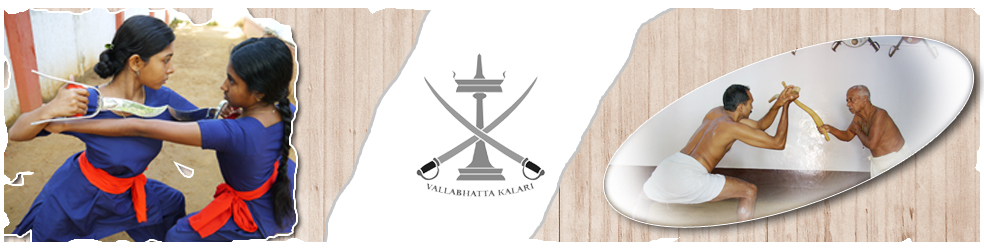
 KALARI
, a place where weapon training in martial art. Such institution were common throughout the country where similar training was imparted in each regions they might have been known by different names, according to the differences in the regional languages.
The systems of physical and weapon training imparted within the Kalari came to be called
'Kalaripayatt' means to practise. The exercises for martial training are practiced. Also exercise-cum-combat in training for martial way is taught. Kalaripayatt is an institution of the traditional Gurukula system where students stay with their guru from their childhood and undergo training until they become experts. The Kalari will be kept like a Temple and the space has to be respected. Nevertheless there are no restrictions to religion, caste of sex. The class will open with the lighting of Bhadradeepam (The Holy Lamp) and the blowing of the divine conch.
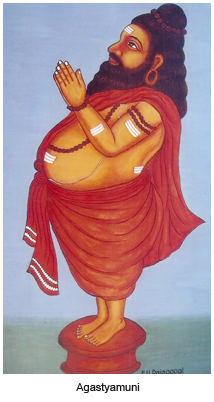
Kalaripayatt is directly linked to the ancient Indian Science of War
(Dhanur Veda) and medicine
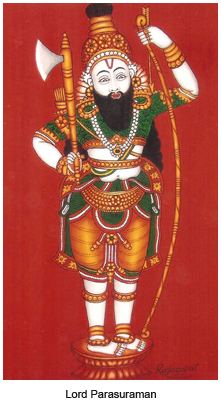
(Ayurveda). More over, the Dhanur Veda section of Agnipurana clearly establishes a close relationship between martial practice and meditation. Kalaripayatt emerged as a distinct, regional, martial, meditational and healing art around the 12th century A.D, Although many principles and techniques antedate this period as it is clearly linked to earlier classical texts, it’s generally traced during the period of disintegration of the PERUMALS of Kodungallore, it was an integral part of the socio-political system of medival Kerala. Principles and practices of Ayurveda, Dhanurveda and Yoga. The main elements of Kalaripayatt include training in physical culture, armed and unarmed combat, breath control, higher forms of meditation and specific classes of treatments. The legend is that Parasurama an avathar of
Lord Maha Vishnu, and the disciple of
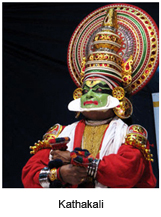
Lord Siva, is the creator of Kerala and the founder of Kalaripayatt is a concept of developing oneself to become a perfect individual. This knowledge should not be abused under any circumstances other than self defense. Kalari helps to dispel all bad influences in children, stimulates them to be well disciplined individuals with quality character inculcating respect for their elders/environment, boosts up their power of concentration and sharpens their intellect. This training helps them to face everything in life with confidence. Classical and folk-arts like Kathakali, Koodiyattam, Theyyam, Thira and contemporary theatre have incorporated this martial system in movements and body compositions to highlight and create various expressions on stage.
Social Function
The fighters’ function was not in the rivalry among political authorities alone. Often they were invited for settling disputes between ordinary people. This practice of using fighters for judicial purposes resulted in the emergence of a peculiar institution of
ankam, single combat. Interestingly, this institution of
ankam with the same name was prevalent in Sri Lanka which developed there round about the Kandyan country in the middle ages.
The subject matter of a moving folk narrative in Malayalam is the tragic story of an
ankam fighter who lost his life while fighting for settling a dispute over management of the property between two members of family. The
ankam was a source of income for the fighters as well as the local and regional political authorities. Regular income to the treasury during the rule of the princely states in Kerala included the fees levied on ankam combats which was to be collected from the disputing parties. Thus the martial spirit of Kerala was actively participating in the social and political life of Kerala in the middle ages. It is inthis socio-political context that the institution of
Kalari becomes important as centre of imparting military training to the local militia.
Social Base
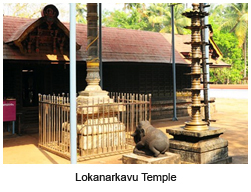
Medieval travelers have left behind their observations on the
Kalari system in Malabar. These writings by foreigners generally contain an idea that nairs alone formed part of the soldiers of the Rajas. It is true, majority of them came of Nayar Families. It is equally important to note that caste restrictions were not observed in
Kalarippayattu. The social groups of Kerala who practised and mastered the techniques of
Kalarippayattu included, besides nayars, the Izhavas, Pulayas, Parayas, Christians and Muslims. The
Tottam invocation songs of the Theyyam performance of North Malabar refer to some Pulaya heroes who conducted eighteen Kalaris in different parts of the region. Heroic lays of the central Travancore mention a
Paraya hero Chengannur Ali who was a master of the techniques of
Kalaripayattu. Some of the celebrated heroes of Malayalam folk songs belong to the Izhavas community. They are usually called
Chekor (Chekavor). There were Muslim
Gurukkals who were masters in the Tulu techniques. The Christians of Kerala, too had their own military men. The native records of principalities mention some Christian local chieftains and their soldiers who were well versed in traditional warfare.
Kalari-Types
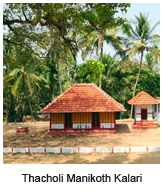
The word “Kalari” comes from the Sanskrit “Khaloorika” which means training ground. The Kalari space is constructed according to certain prescriptions which are effectuated by the builders. Kalari’s will not be constructed at following places where people believed snakes were residing and worshipped, very often places, rocky underground, not close to the mountain foot.
Kuzhi-Kalari or dig-out Kalari
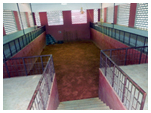
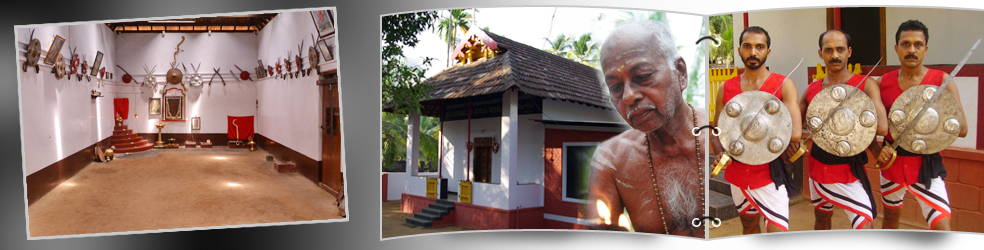
This Kalari will have the 42/21 feet dimensions and is situated four feet below he ground level. The removed earth will be used to build up three feet height walls upon which the roof will be cave-like and constant temperature allows the practitioners to do hard physical work.
Nila Kalari or thara kalari groundface Kalari
This Kalari is also of 42/21 size but it is situated above the ground level. Often this has to do with bad digging circumstances. The presence of too much water but also according to the instructions / judgements of the architect.
Anka Kalari or duelling Kalari
In the past way to solve conflicts between the rulers or collectors was to organize a duel between the best warrior of both parties. The custom of conflict solving was performed in a special type of Kalari which was open to the public. For this reason the measurements were exceeding the general 42/21 measurements.
The Northern ballads are describing this type of Kalari like a place measuring 62/31 feet, above ground level like a stage.
Cheru Kalari
This is a small Kalari in a square-shape of 12 feet by twelve feet in southern style of Kalaripayatt this type of Kalari was used. Their instruction mainly focused on unarmed combat, on the teaching of the marma’s and the footwork. Now a days not many of these Kalari’s are still in use.